Industry — Automotive & Mobility
Production-minded Qt/QML interfaces for digital clusters, IVI screens, EV dashboards, two-wheeler displays, and mobility control systems.
Related case study
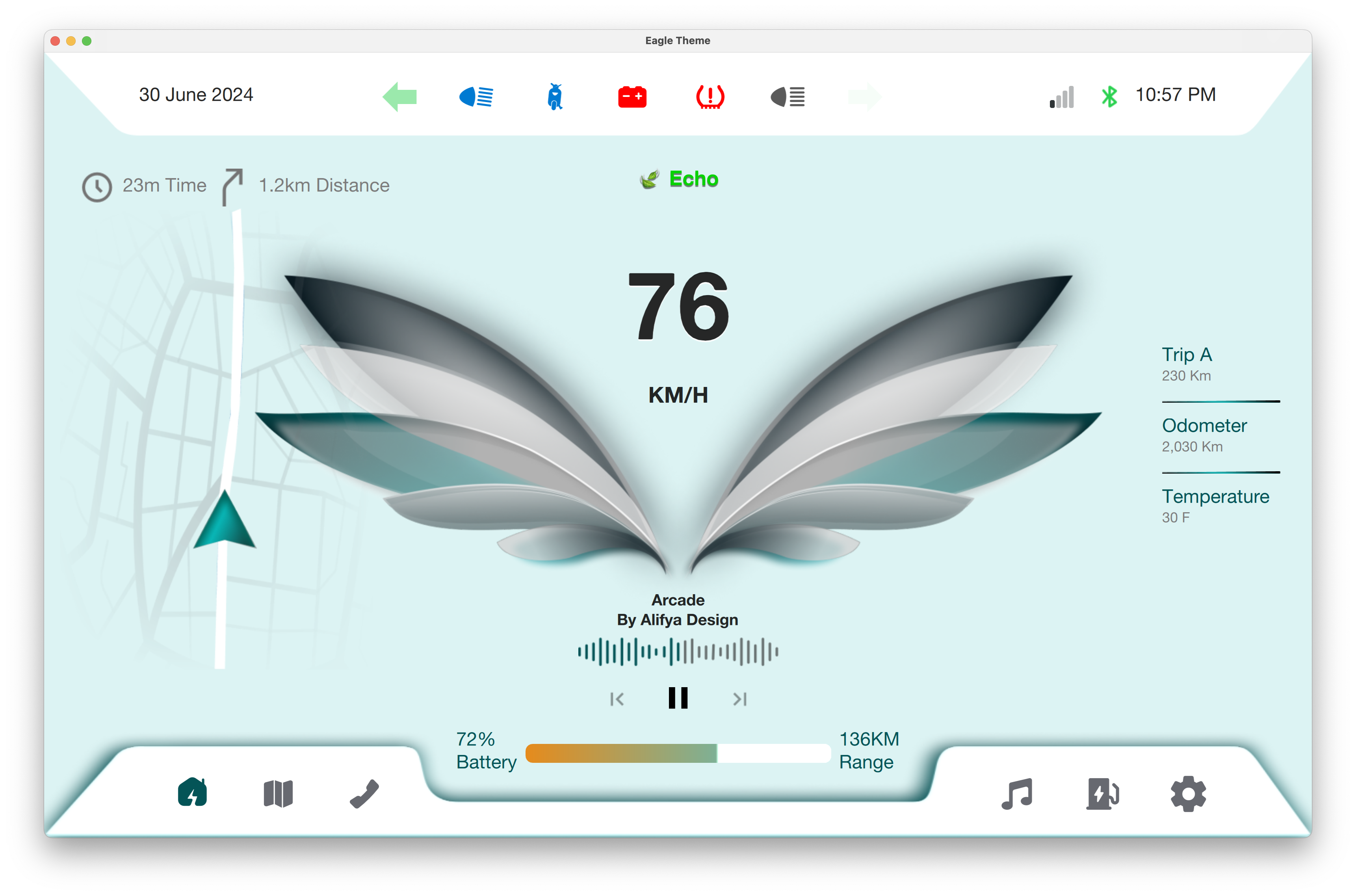
Compact two-wheeler dashboard with ride, battery, warning, and status screens.
Capability signals
Qt Quick
Primary UI technology for animated automotive screens
C++
Backend and vehicle-state integration layer
EV / HMI
Dashboards, mobility displays, and infotainment-style layouts
What we build
Focused Qt/QML development for the display layer, interaction model, and C++ integration behind modern vehicle software.
Speed, ride state, warnings, battery, range, and trip information presented with clear hierarchy and smooth Qt Quick rendering.
Large-screen vehicle control layouts for media, navigation, climate, comfort, charging, and system settings.
Compact display systems for scooters, motorcycles, micro-mobility, and EV products where clarity matters on small screens.
Driver-assistance and vehicle-state screens that communicate alerts, modes, and transitions without visual overload.
Qt models and property bindings that connect CAN, simulated data, backend state, and QML screens cleanly.
Clickable UI concepts, reusable QML components, demo videos, and integration-ready interface architecture.
Engineering reality
Automotive screens need speed, clarity, and predictable behavior. We design the QML layer around those constraints.
Challenge
Dense real-time vehicle data can overwhelm the driver.
Approach
We separate primary, secondary, and diagnostic information so the display remains readable during active use.
Challenge
Animations must feel polished without wasting GPU budget.
Approach
We tune QML scenes, reduce overdraw, and keep transitions purposeful for the target display hardware.
Challenge
Vehicle state needs clean separation from UI presentation.
Approach
We structure C++ data providers and QML bindings so screens can be tested with simulated and real signals.
Challenge
Dashboards need consistency across variants and screen sizes.
Approach
We build reusable QML components, tokenized spacing, and screen patterns that scale across product variants.
Proof of work
Real portfolio examples showing dashboard layouts, vehicle control UI, and compact mobility display thinking.
Two-wheeler digital dashboard UI built with Qt/QML for real-time riding data and vehicle status.
Compact two-wheeler dashboard with ride, battery, warning, and status screens.
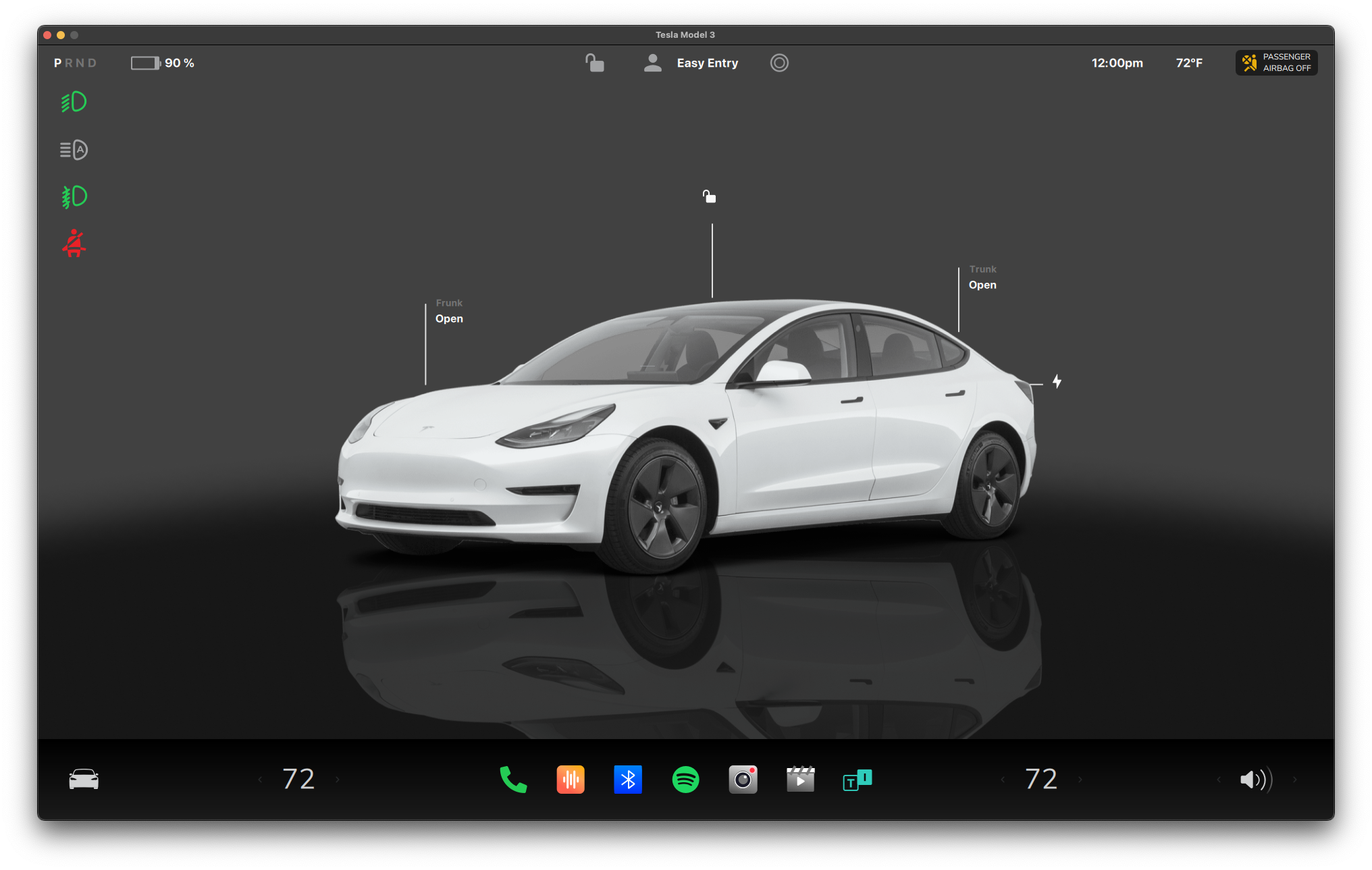
Automotive-style infotainment and vehicle control UI developed with Qt/QML.
Automotive-style control interface for vehicle state, media, navigation, and comfort controls.
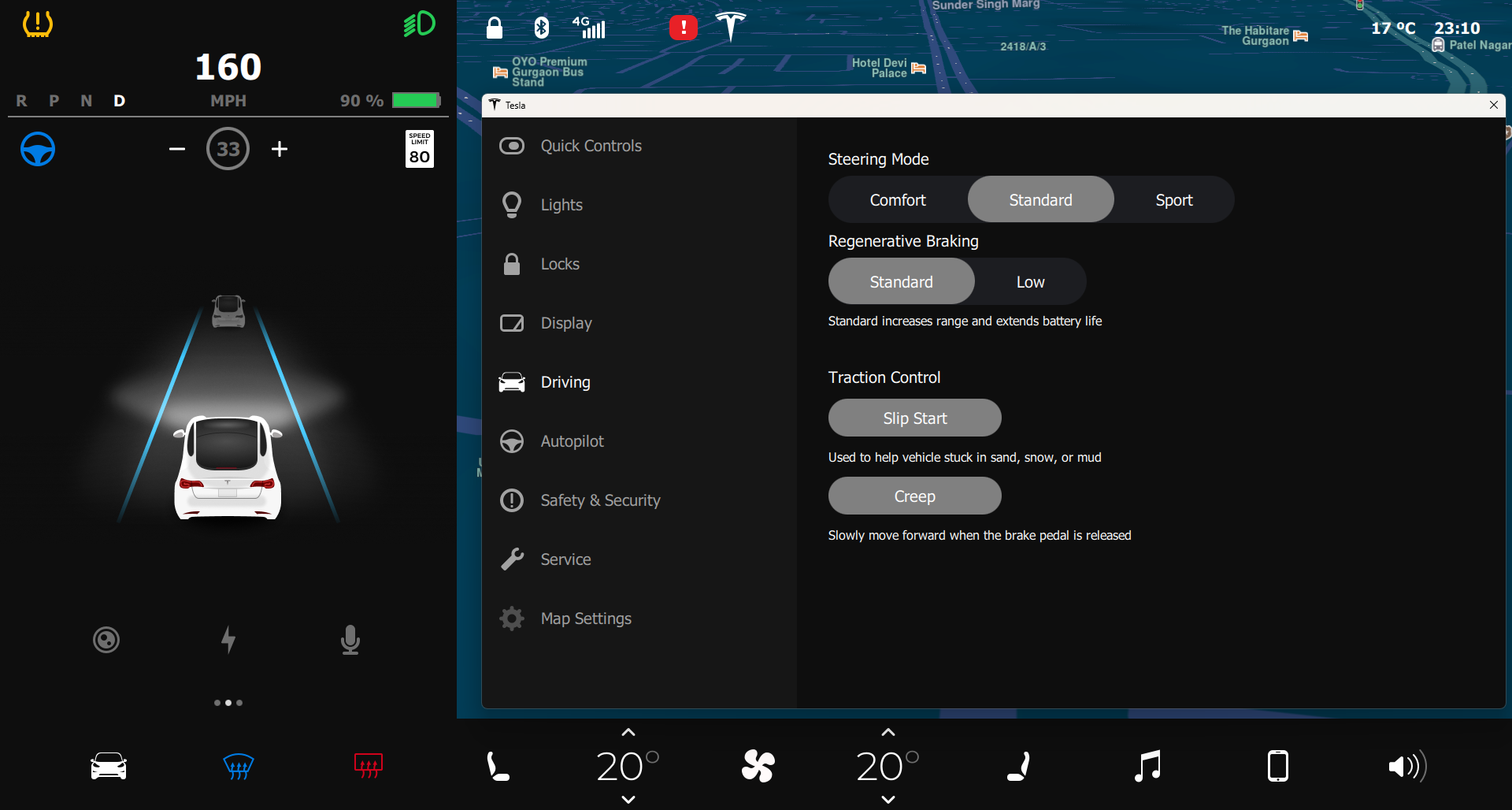
Next-generation vehicle control and digital cluster UI built with Qt/QML.
Refined vehicle control experience with stronger visual hierarchy and screen-to-screen consistency.
Work centers on Qt Quick, QML, C++, CMake, and embedded/desktop Qt deployment paths.
Automotive UI concepts are validated visually before deeper hardware and backend integration.
Structured handoff, async updates, and milestone-based delivery for founders, teams, and product companies worldwide.
Next step
Share your target screen, hardware, Qt version, and dashboard scope. We will respond with a practical technical direction.
