Qt Quick / QML
Custom QML interfaces, component libraries, animation systems, and performance-tuned UI architecture for embedded and desktop Qt applications.
Expected outcomes
Fit
Deliverables
Concrete engineering outputs designed for maintainable Qt products, not just UI mockups.
Process
We clarify hardware targets, Qt version, UI scope, existing codebase, delivery constraints, and measurable success criteria.
We define the QML component model, C++ integration boundary, data flow, screen navigation, and build/deployment path.
We build in iterations, validate UI states early, connect real data providers, and test against target platform behavior.
We tune performance, document build steps, hand over source code, and support production stabilization where needed.
Engagement models
Best for a defined Qt application, migration, prototype, or HMI screen set with clear milestones.
Best when you need a long-term Qt/QML developer or small team supporting your roadmap.
Best for technical validation, migration planning, performance reviews, or platform feasibility.
Technical stack
Practical Qt tools and platform targets we commonly use to move projects from prototype to maintainable production delivery.
Qt Quick
QML
Qt Quick Controls 2
Qt State Machine
QML Profiler
C++
Scene Graph
Related projects
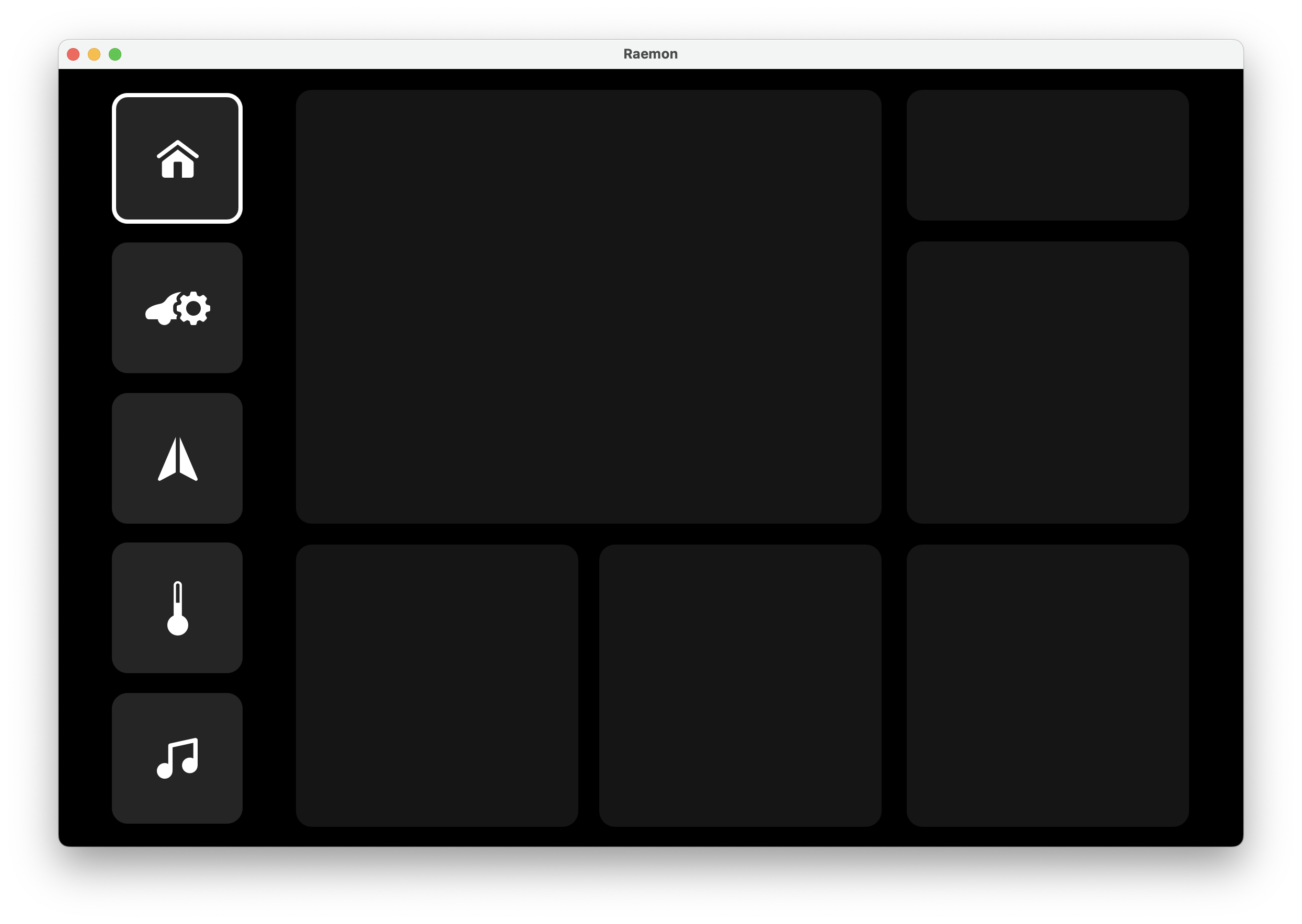
Reusable Qt/QML layout system for scalable home automation dashboards.
Scalable dashboard layout patterns for complex control panels and configurable screens.
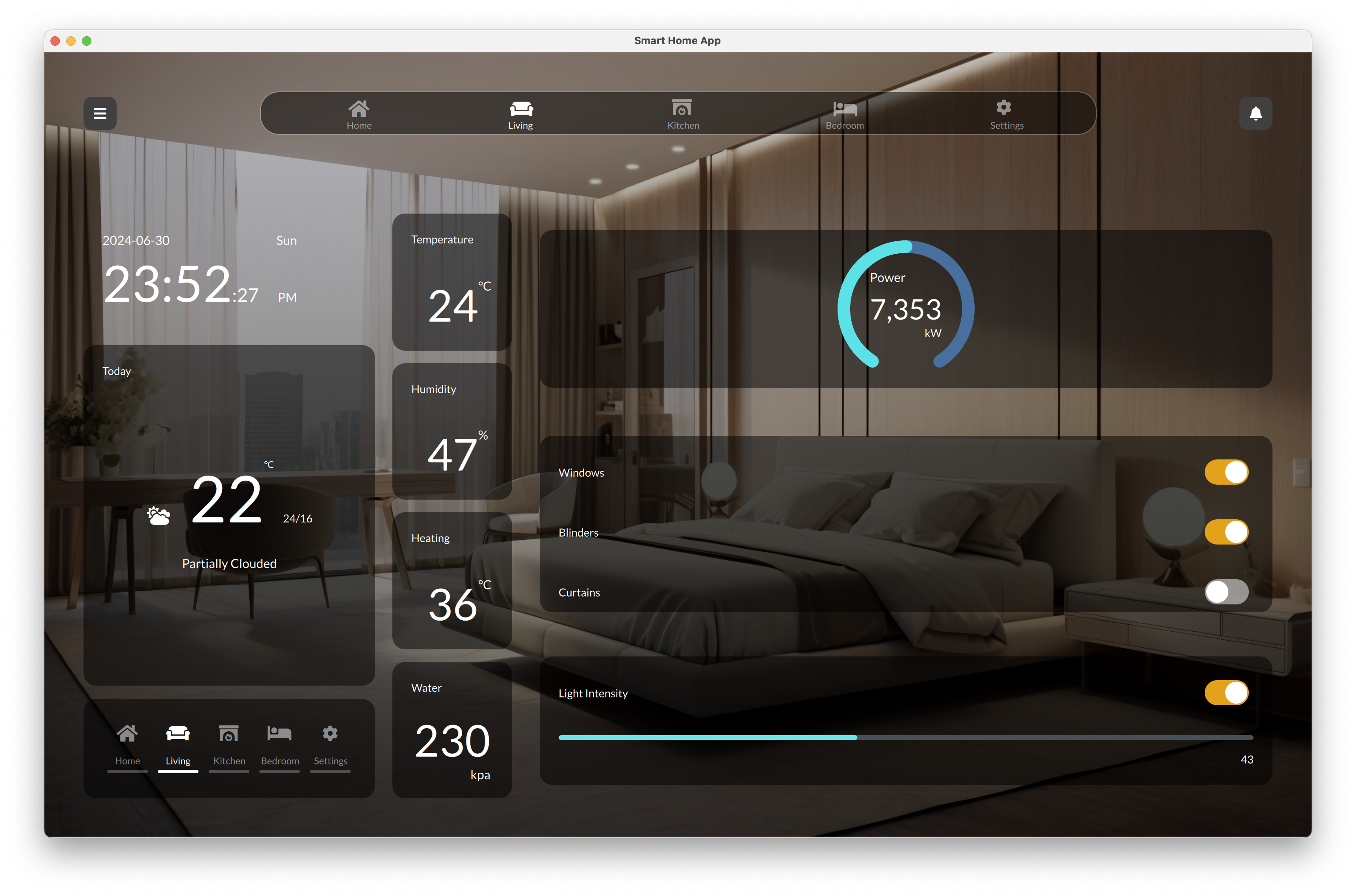
Modern Qt-based home automation dashboard with real-time status and device control.
A modern smart-home dashboard with structured controls and visual status feedback.
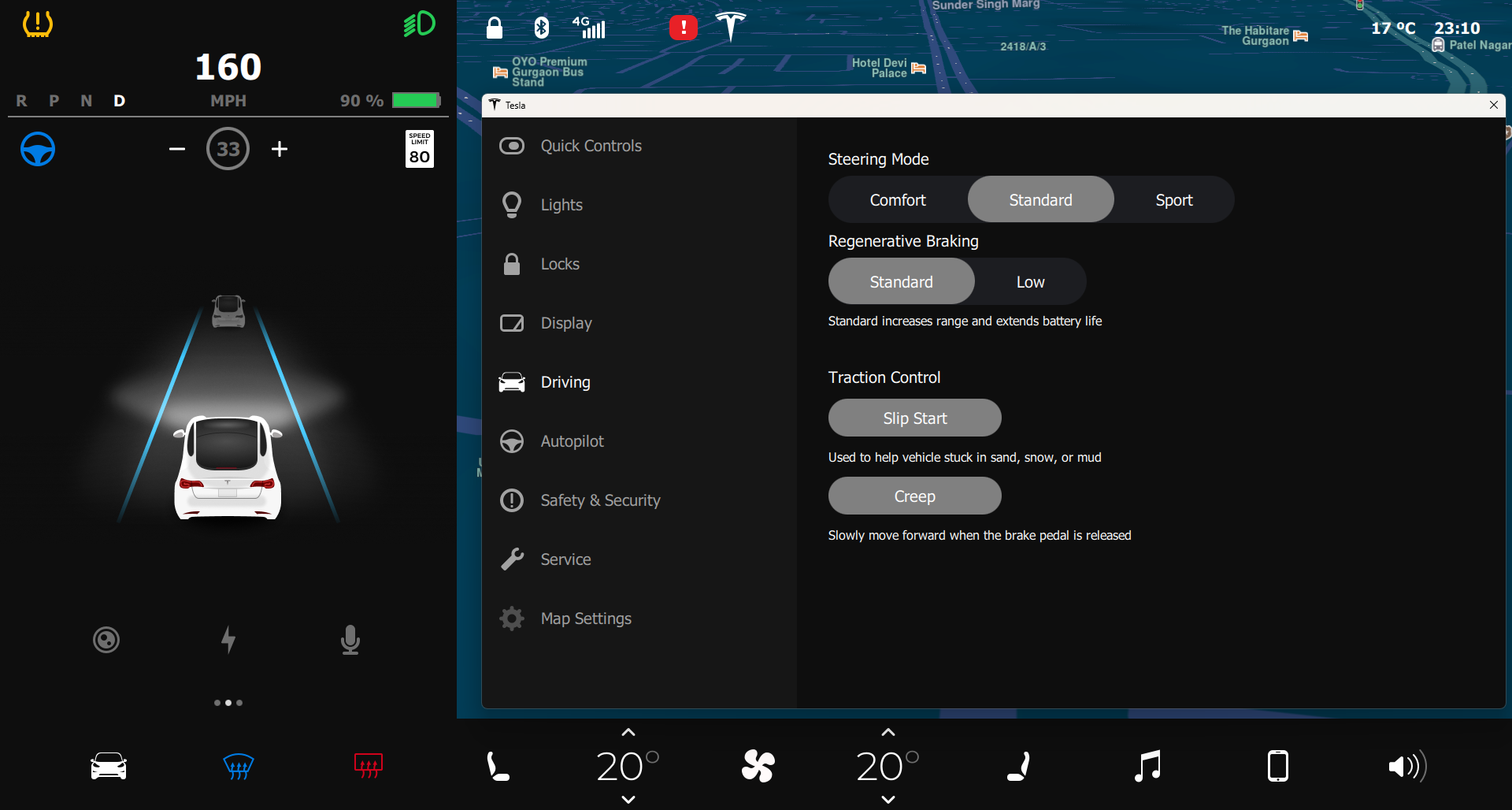
Next-generation vehicle control and digital cluster UI built with Qt/QML.
Refined vehicle control experience with stronger visual hierarchy and screen-to-screen consistency.
FAQ
Short answers to the questions teams usually ask before starting this kind of Qt engagement.
Yes. We can translate designs into QML components, define reusable states, and keep implementation practical for target hardware.
Yes. We use profiling, model/delegate review, binding reduction, asset optimization, and scene graph-aware changes to improve responsiveness.
Next step
Send your Qt version, target platform, current codebase state, and timeline. We will reply with a practical technical direction.
Share these details
