Qt for MCU
Qt Quick Ultralite interfaces for ARM Cortex-M microcontrollers, built simulator-first and optimized for flash, RAM, display drivers, and target hardware.
Expected outcomes
Fit
Deliverables
Concrete engineering outputs designed for maintainable Qt products, not just UI mockups.
Process
We review MCU, RAM, flash, display controller, touch IC, GPU availability, and Qt for MCUs licensing constraints.
We develop QML screens and C++ data providers in the desktop simulator before moving to hardware.
We connect display, touch, RTOS tasks, and firmware data safely into the QUL application.
We tune assets, animations, render timing, memory usage, and final hardware behavior.
Engagement models
Best for a defined Qt application, migration, prototype, or HMI screen set with clear milestones.
Best when you need a long-term Qt/QML developer or small team supporting your roadmap.
Best for technical validation, migration planning, performance reviews, or platform feasibility.
Technical stack
Practical Qt tools and platform targets we commonly use to move projects from prototype to maintainable production delivery.
Qt for MCUs
Qt Quick Ultralite
QUL
STM32
NXP i.MX RT
FreeRTOS
ThreadX
C++
Related projects
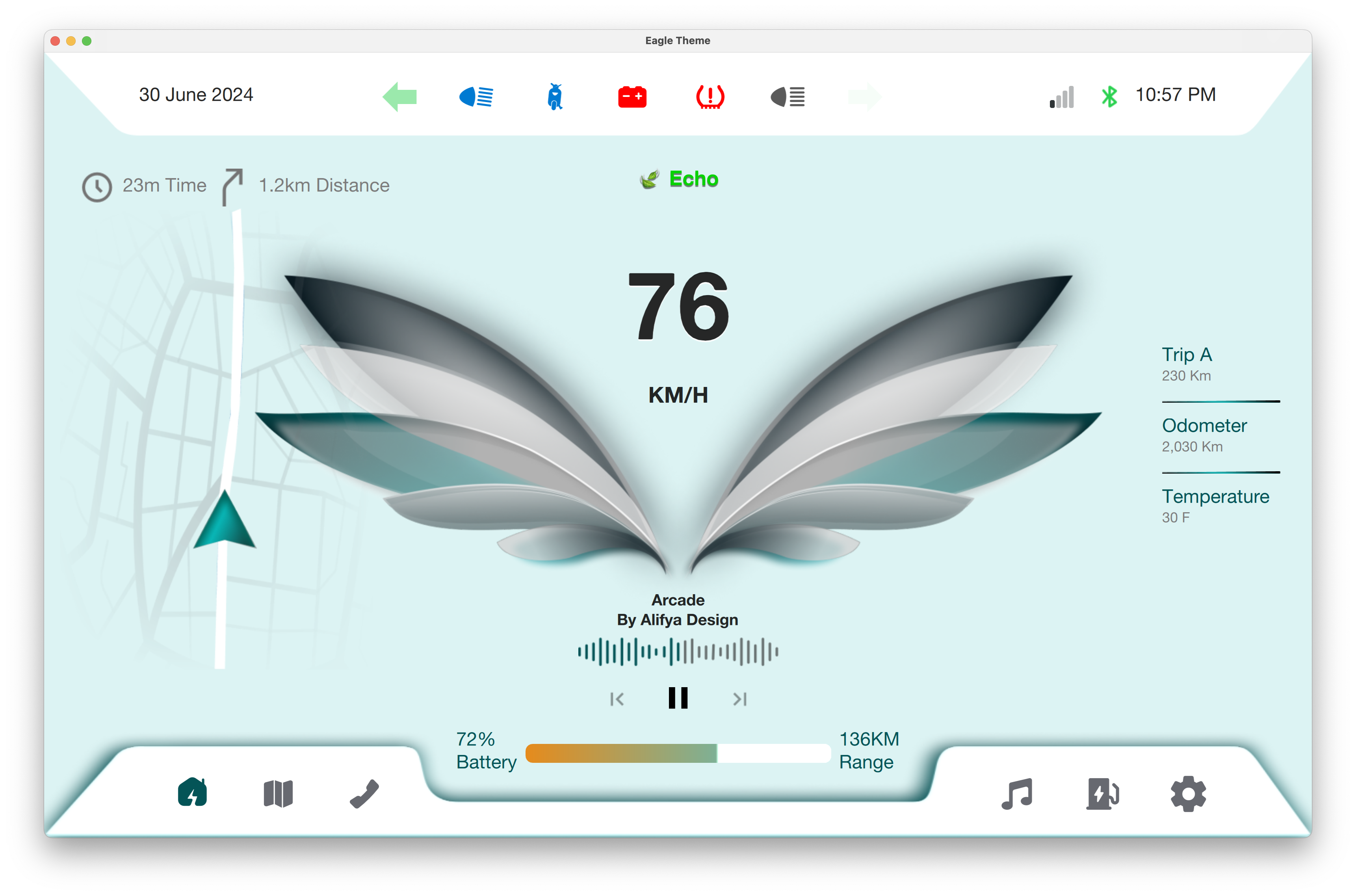
Two-wheeler digital dashboard UI built with Qt/QML for real-time riding data and vehicle status.
Compact two-wheeler dashboard with ride, battery, warning, and status screens.
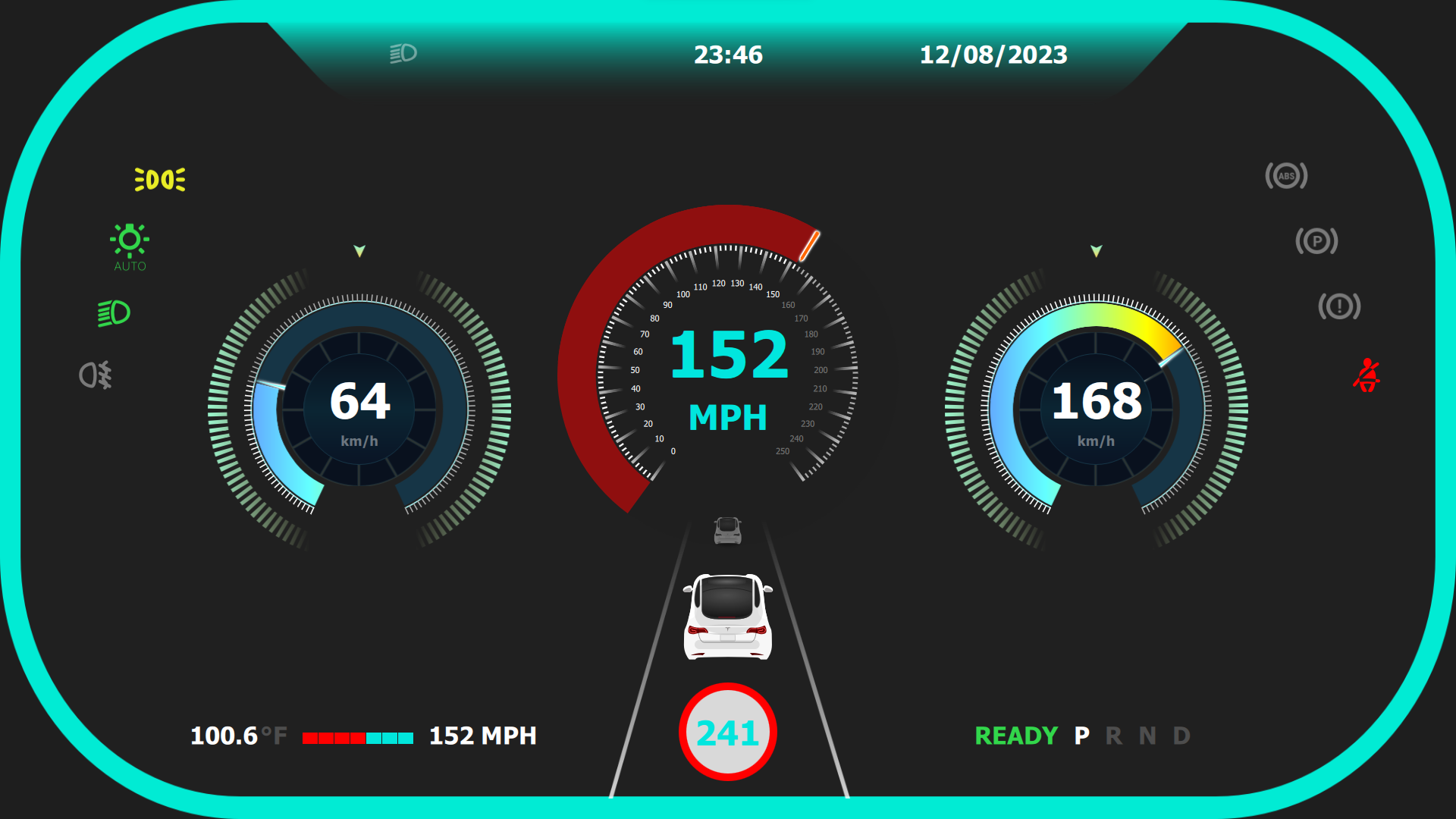
Production line monitoring HMI built with Qt/QML focusing on clarity and operator efficiency.
Operator interface for monitoring production states, process screens, and equipment status.
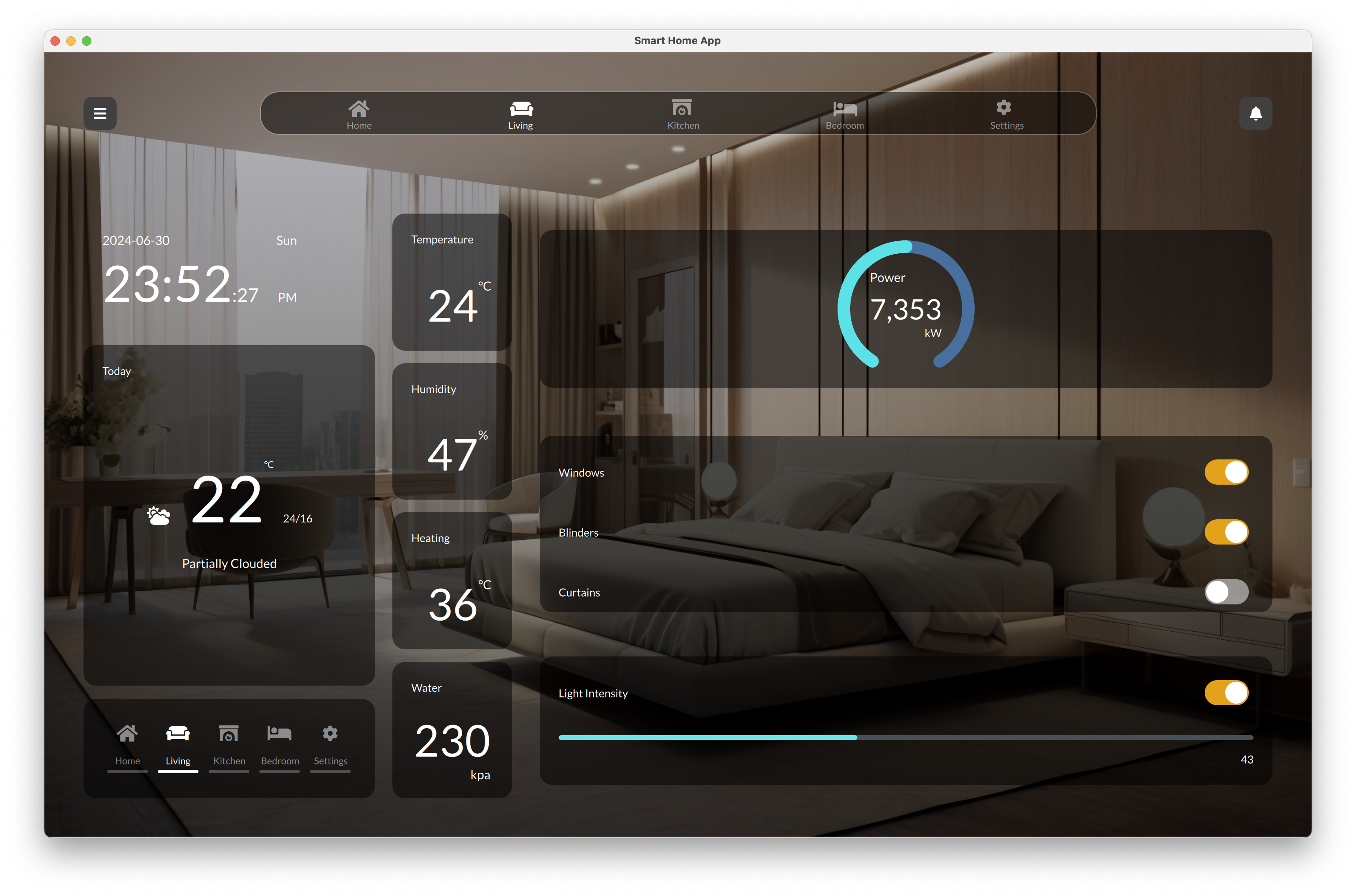
Modern Qt-based home automation dashboard with real-time status and device control.
A modern smart-home dashboard with structured controls and visual status feedback.
FAQ
Short answers to the questions teams usually ask before starting this kind of Qt engagement.
Yes. We review memory, display, GPU, RTOS, and interaction requirements, then recommend whether QUL is appropriate or whether embedded Linux is a better fit.
No. We can start with desktop simulator development, then move to hardware once the platform, display, and data-provider strategy are clear.
Next step
Send your Qt version, target platform, current codebase state, and timeline. We will reply with a practical technical direction.
Share these details
